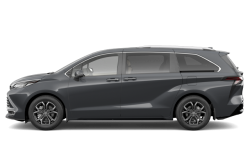

2026 Toyota Sienna: How To Perfectly Balance Family-Hauling Power With Efficiency
August 28 2026,
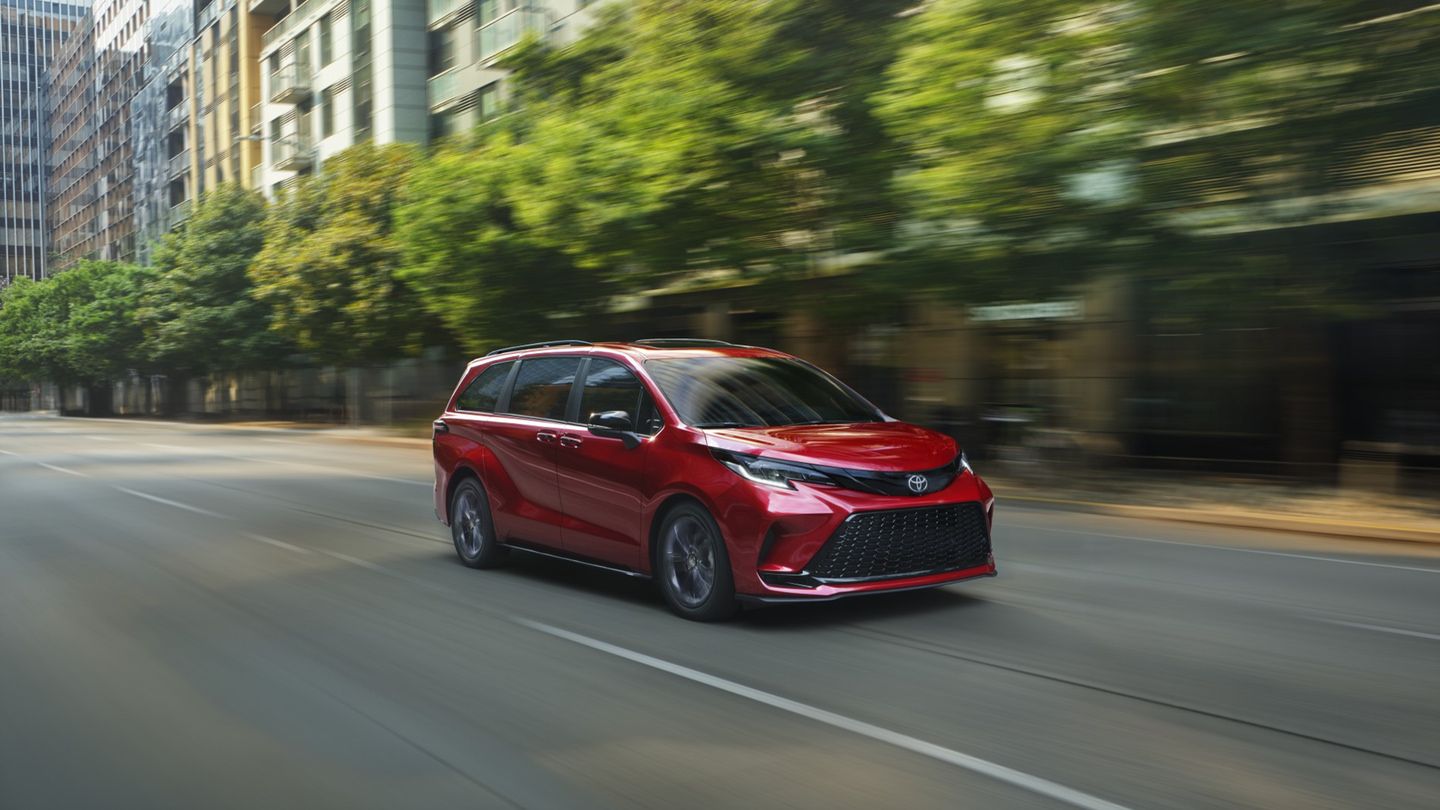
Finding a minivan that keeps up with school runs, ferry lineups, and weekend trips to the mountains without draining the tank is not a small ask for a British Columbia family. The 2026 Toyota Sienna is built entirely around a hybrid powertrain, which changes how you should think about fuel stops, seating, and daily loading before you commit.
This guide breaks down where the Sienna earns its keep and which configuration actually matches your household, not just the trim with the most badges.
Why The 2026 Sienna Deserves A Look
Every 2026 Sienna runs on the same hybrid architecture: a 2.5L four-cylinder engine paired with two electric motor/generators, producing 245 system horsepower. There is no gas-only version to cross-shop against, which simplifies the decision considerably.
Front-wheel-drive models are rated at 6.6 L/100 km combined, while all-wheel-drive models come in at 6.8 L/100 km combined. For commuting around the Lower Mainland or making regular highway runs up the Sea-to-Sky corridor, that gap is small enough that traction, not fuel economy, should decide your drivetrain.
AWD adds Toyota’s electronic on-demand system, which shifts torque automatically as road conditions change. FWD keeps things simpler and slightly more efficient. For a family that mostly drives paved roads around town, FWD does the job; for one that regularly deals with wet mountain passes or gravel driveways, the small efficiency trade-off for AWD is easy to justify.
Strengths That Matter For Family Life
The equipment list reads less like a spec sheet and more like a solution to specific parenting headaches. Here is what stands out:
- Power back door on every trim, no more juggling grocery bags and a hip to get the hatch open
- Power sliding doors, with kick-sensor activation on XLE and above, so a full hand still gets the door moving eff- Advanced Rear Seat Reminder, which detects whether a second- or third-row occupant is a child or adult and flags the correct seat, a genuine peace-of-mind feature for parents
- Wireless smartphone charging and wireless Apple CarPlay/Android Auto, standard across the lineup, so devices stay powered without a tangle of cables
- Multi-zone climate control, three zones on LE, four zones from XLE up, so the back row stops complaining about the temperature
Toyota Safety Sense 2.0 is standard across the board, bundled with a backup camera, 10 airbags, Blind Spot Monitor with Rear Cross Traffic Alert, and the Toyota Star Safety System. Higher trims add a wide-angle backup camera with washer and Intelligent Clearance Sonar with Rear Cross Traffic Brake, both aimed squarely at tight reversing situations, parkades and busy pickup lanes included.
Who The Sienna Fits Best

The seating question is really a family-size question. The LE, LE AWD, XLE, and the Mobility LE/XLE models seat eight, using a second-row bench. That extra seat matters if you regularly carpool, have three kids, or need to fit grandparents on a trip.
The Limited AWD and XSE-line models drop to seven passengers, trading the bench for second-row captain’s seats. Limited AWD goes further with heated, long-slide captain’s seats and built-in ottomans, prioritizing comfort for two second-row passengers over raw headcount. If your family tops out at two kids who each want their own space, captain’s seats make entry, exit, and reaching a dropped juice box noticeably easier than climbing over a bench.
A family that car-pools or regularly hosts extra kids should lean toward the eight-passenger LE or XLE. A family of four or five that values comfort and easier access to the third row should look at the seven-passenger captain’s-seat trims instead.
Cabin materials shift as you move up, too. XLE brings Softex upholstery, while Limited AWD steps up to leather along with heated and ventilated front seats and a 12-speaker JBL audio system. Buyers who spend long hours in the vehicle, or who want a more upscale everyday interior, will feel that difference every time they get in.
Matching A Trim To Your Household
An entry-level LE already covers the essentials: eight-inch touchscreen with Toyota Multimedia, Apple CarPlay and Android Auto, LED lighting, heated front seats, and the standard safety suite. It is the pick for a family that wants the hybrid efficiency and family-friendly basics without paying for extras they will not use.
Step up to XLE and the touchscreen grows to 12.3 inches, four-zone climate control replaces three, and the power moon roof and kick-sensor doors arrive. This is the mid-range sweet spot for families who want a noticeably nicer cabin without moving into the Limited or Platinum territory.
Limited AWD and Platinum AWD push into full comfort territory: leather, ventilated seats, a digital display rear-view mirror, Panoramic View Monitor, and on Platinum, a head-up display and an onboard vacuum. These trims suit a family that treats the Sienna as their primary long-distance and road-trip vehicle, where extra convenience features earn their keep on longer drives.
The XSE line takes a different angle entirely, with a sport-tuned suspension, 20-inch wheels, and a sportier stance layered onto the seven-passenger captain’s-seat layout. It fits a family that wants the practicality of a minivan without the styling most minivans lean into.
Toyota also offers Sienna Mobility models, preconfigured for BraunAbility or VMI wheelchair-accessible conversions, extending the eight-passenger layout to families who need ramp entry and adapted seating.
Making The Sienna Work For Your Family
The 2026 Sienna pairs a single, proven hybrid powertrain with a seating and equipment lineup broad enough to match most family shapes, from eight-passenger carpool duty to seven-passenger comfort-first trims. The drivetrain and seating choice are the two decisions that matter most here.
Visit Regency Toyota in Vancouver to sit in both the bench and captain’s-seat layouts and see which one actually fits how your family loads up every day.