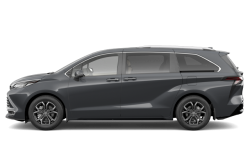

How Efficient Is the 2026 Toyota Sienna FWD on Family Trips?
September 22 2026,
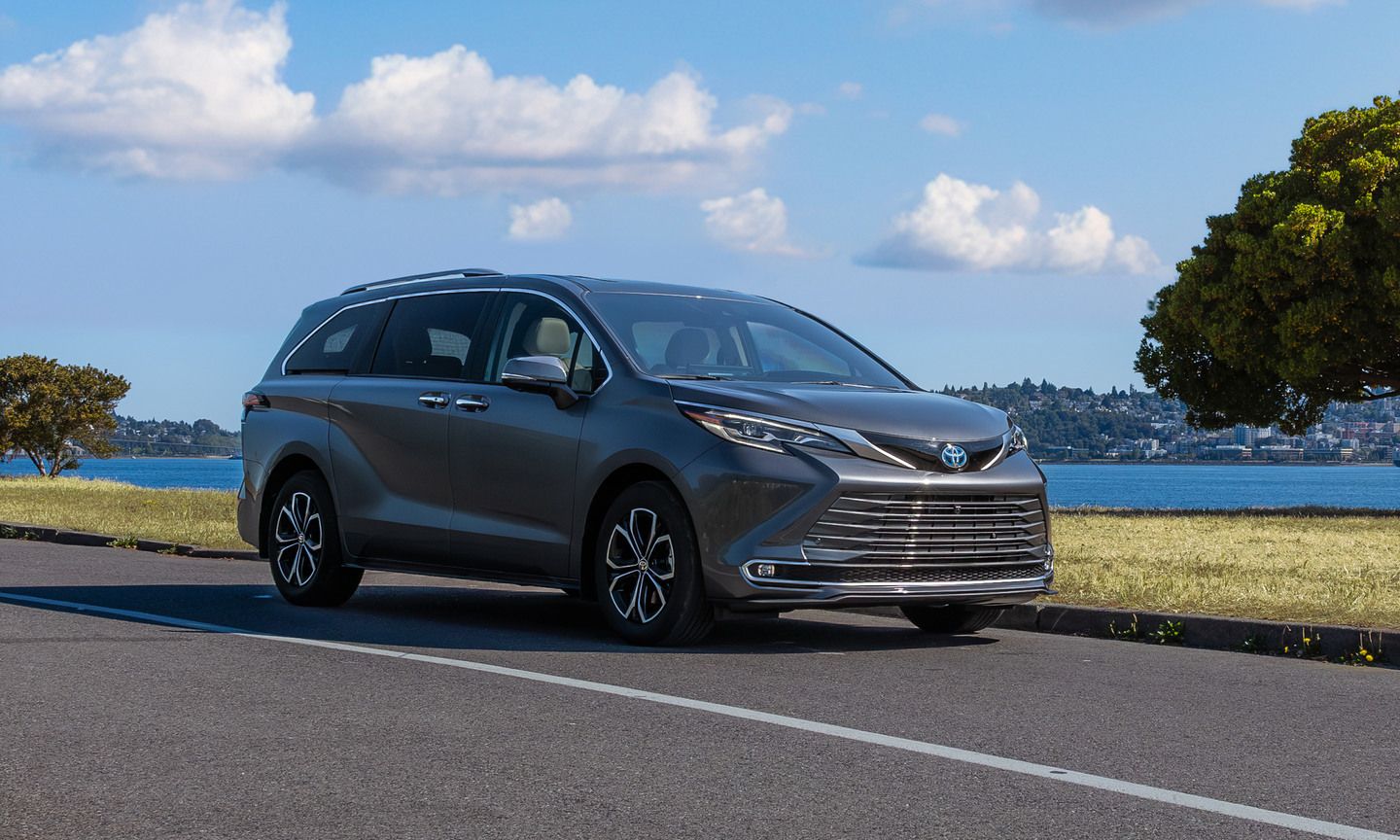
Family road trips in British Columbia mean long stretches of highway, elevation changes, and a vehicle packed with people and gear. If you’re weighing a minivan for that job, fuel efficiency and passenger comfort matter as much as horsepower.
The 2026 Toyota Sienna FWD is built around a hybrid powertrain rated at 6.6 L/100 km combined, a number worth unpacking before you decide if this minivan fits your family’s travel habits.
Why Efficiency Matters for Family Trips
A road trip vehicle earns its keep between fuel stops, not just at the dealership lot. The Sienna FWD’s 2.5 L four-cylinder hybrid system pairs two electric motors with the gas engine, producing 245 hp while keeping fuel use low.
City driving comes in at 6.6 L/100 km, highway at 6.5 L/100 km, and combined at 6.6 L/100 km. That consistency across driving conditions matters for families who split their trips between suburban streets and long highway stretches.
A weekend getaway with a full load of kids, coolers, and gear means hours behind the wheel. Fewer fuel stops translate directly into less time spent off the highway and more time at the destination, which matters when younger passengers are counting down the minutes.
Specs That Matter for the Road
The Sienna FWD’s 68 L fuel tank paired with its 6.6 L/100 km combined rating supports a longer stretch between fill-ups than many family vehicles manage, which simplifies route planning for a weekend trip or a multi-stop family vacation. Fewer required stops mean more predictable arrival times, a real consideration when a route runs through areas with sparse fuel service.
Inside, the Sienna FWD seats eight, with 2,129 L of cargo space behind the second row and 949 L behind the third row. That third-row figure covers strollers, sports bags, and cooler space without folding a single seat, while the larger figure behind the second row opens up when the third row goes to work hauling passengers instead.
Power sliding doors and a power back door come standard on every Sienna trim, cutting the friction of loading kids and gear at every stop. The cabin also includes a 68 L fuel tank, seven USB charging ports, and a wireless charger, so devices stay topped up across a long drive without a tangle of cables.
Here’s how the core road-trip specs stack up:
|
Spec |
2026 Sienna FWD |
|
Powertrain |
2.5 L 4-cyl hybrid, 245 hp |
|
Fuel economy (combined) |
6.6 L/100 km |
|
Fuel tank capacity |
68 L |
|
Seating capacity |
8 |
|
Cargo (behind 2nd row) |
2,129 L |
|
Cargo (behind 3rd row) |
949 L |
Climate control on the LE and XLE runs through a three-zone or four-zone automatic system, keeping front and rear passengers comfortable independently. Combined with rear seat side airbags and available captain’s chairs on higher trims, the cabin is built for passengers of mixed ages spending hours in the same space.
FWD vs AWD: What It Means for Your Trips

The FWD Sienna trades all-wheel traction for the better efficiency number: 6.6 L/100 km combined versus 6.8 L/100 km on Sienna AWD models. For families whose trips stay mostly on dry, well-maintained highways, that gap adds up over a season of driving.
AWD Sienna models use Toyota’s electronic on-demand system, which shifts torque to the rear wheels as road conditions demand. That’s a relevant option for winter driving or wet mountain routes, but it comes at a modest efficiency cost compared to FWD.
For a family whose road trips lean toward dry-season highway travel, the FWD’s better combined rating is the more direct payoff. Families who regularly face wet or snow-covered routes may find the AWD’s traction control worth the small efficiency trade-off.
Who Benefits Most From This Setup
Fuel-conscious families doing daily school runs and the occasional highway getaway get the clearest benefit from the Sienna FWD’s efficiency numbers. The 6.6 L/100 km combined rating keeps routine driving costs down without sacrificing the eight-passenger seating most families need.
Multi-stop family weekends, where a single tank needs to stretch across errands, school pickups, and a highway leg, suit the FWD’s fuel-sipping profile well. The Sienna’s cargo flexibility, from 949 L behind the third row to 2,129 L with it folded, works for stroller-and-cooler trips as much as gear-heavy weekends.
Families who prioritize predictable fuel stops over all-weather traction are the clearest fit for the FWD configuration. Those who regularly drive through wet or snow-affected routes should weigh the AWD’s 6.8 L/100 km combined rating against its added traction benefit.
Planning Your Next Family Trip in the Sienna FWD
The 2026 Toyota Sienna FWD pairs a 6.6 L/100 km combined hybrid powertrain with eight-passenger seating and flexible cargo space, covering school runs, weekend getaways, and longer highway trips without frequent fuel stops.
Visit Regency Toyota in Vancouver to see the 2026 Sienna FWD in person and find out if it fits the way your family travels across British Columbia.