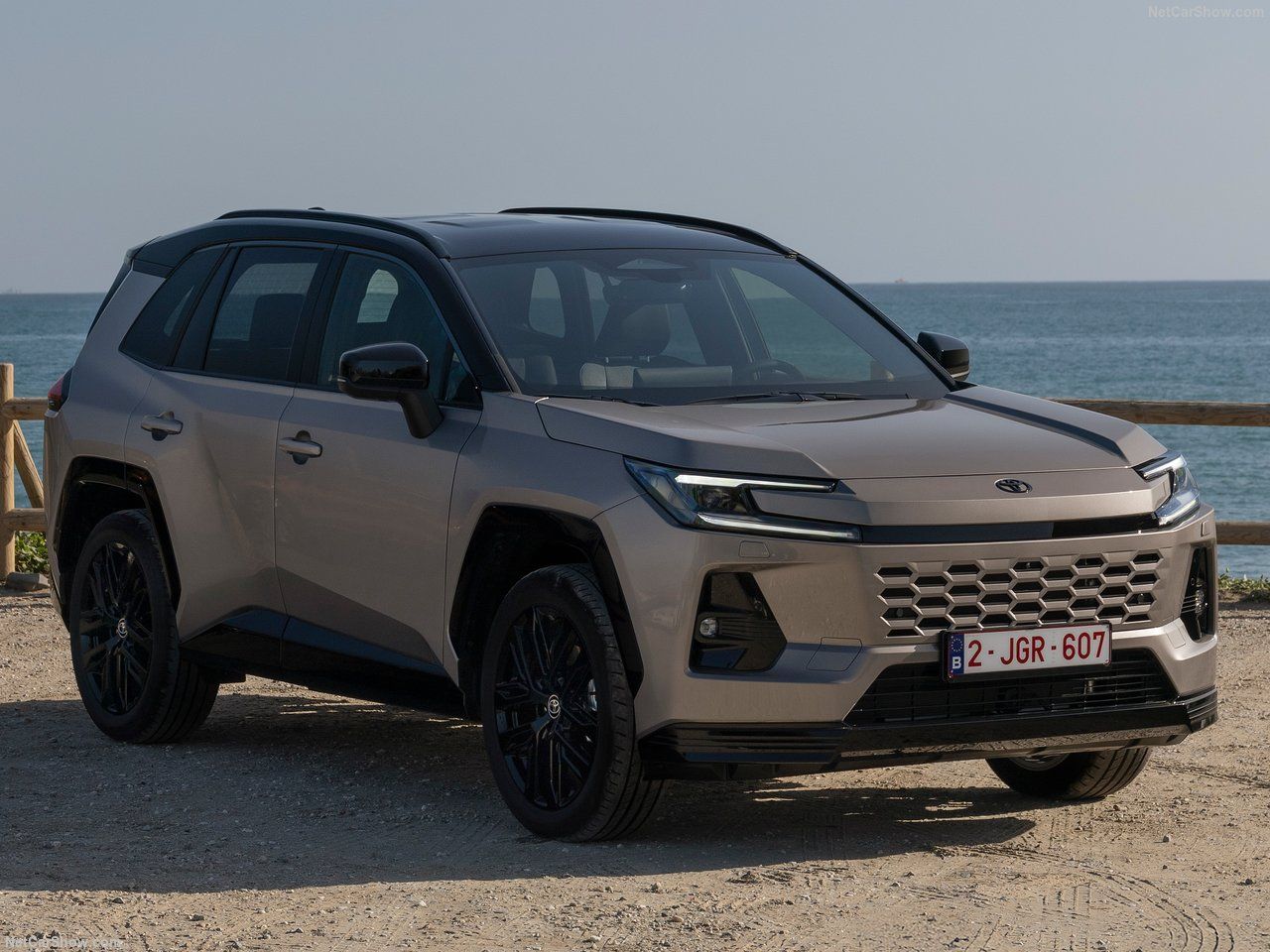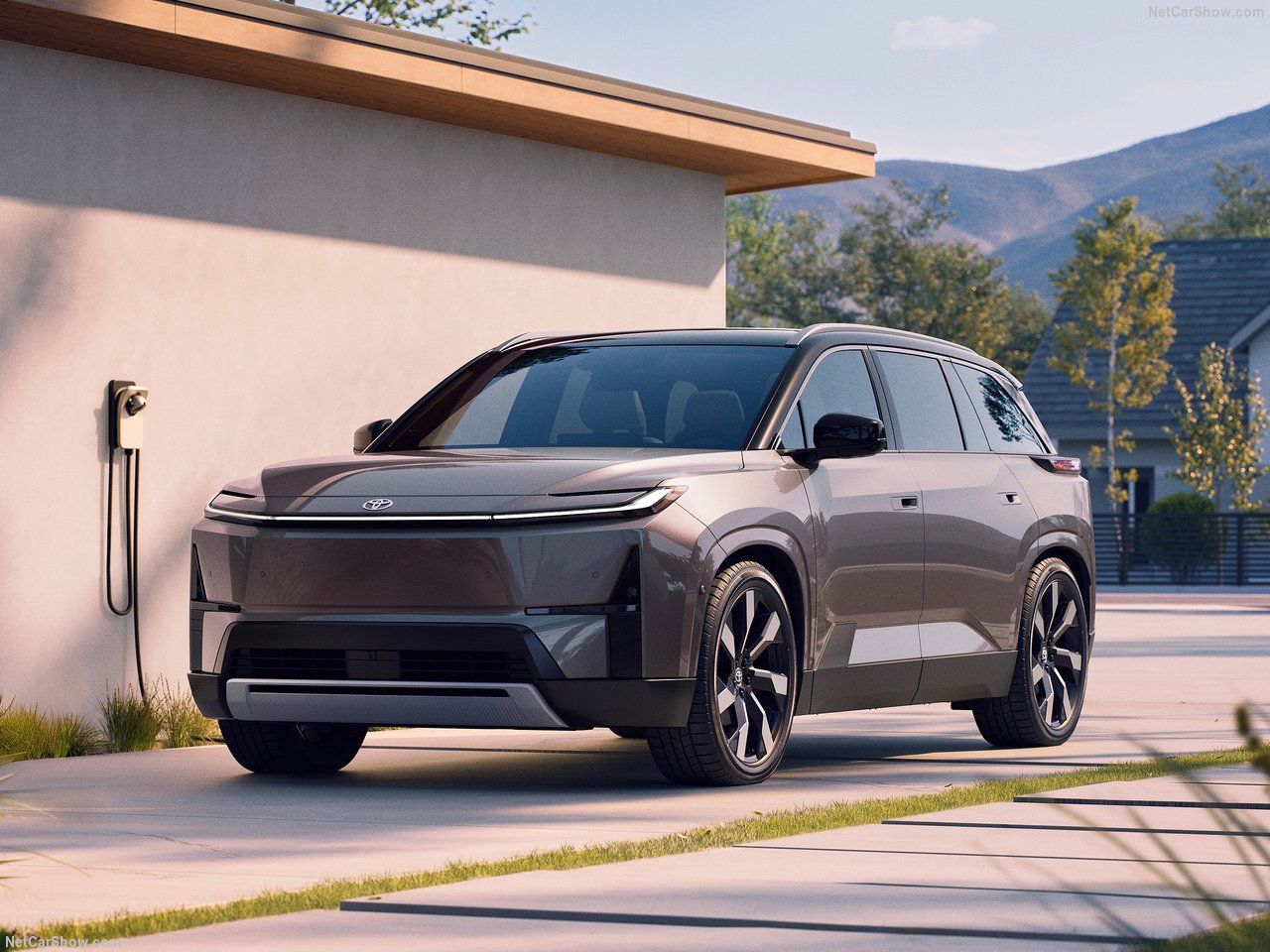
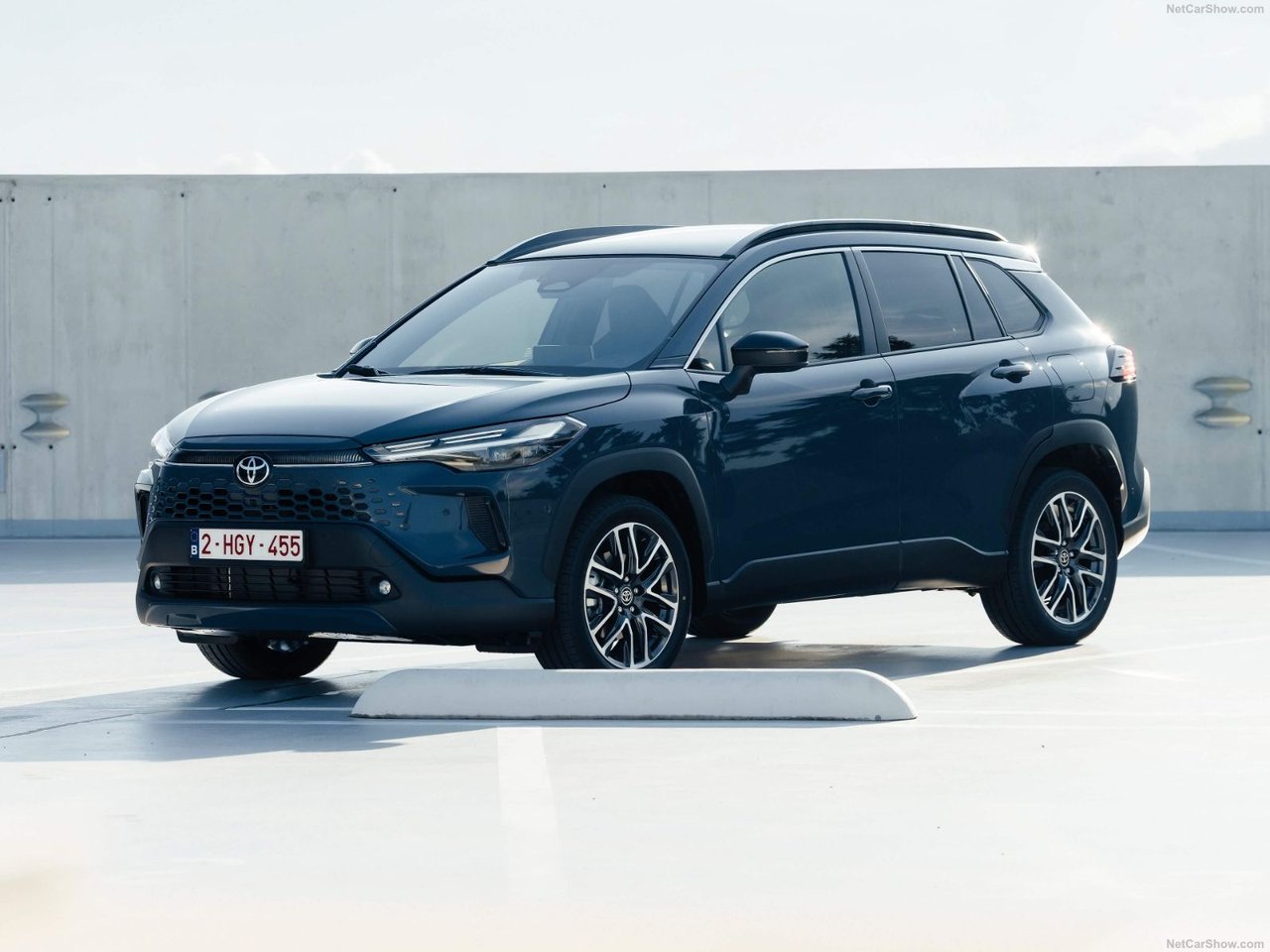
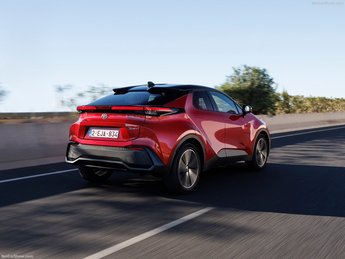
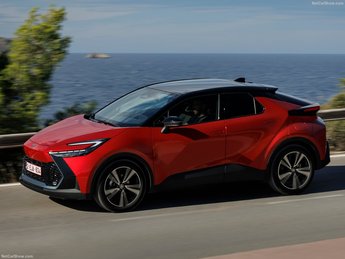
Although the Toyota Corolla Cross and Toyota C-HR are both compact SUVs with seating for five, they approach the category from distinctly different directions. The C-HR is a sporty, fully electric model, while the Corolla Cross emphasizes accessible versatility and offers gasoline and hybrid powertrains.
Toyota Canada has released complete Canadian information for the 2027 C-HR. At the time of writing, however, it has not announced the 2027 Corolla Cross. The latest confirmed Corolla Cross specifications are for the refreshed 2026 model. The comparison below uses those official figures as the current reference, without assuming that every specification will carry over unchanged to 2027.
1. Battery-electric power versus gasoline and hybrid choices
The most fundamental difference is found underneath the vehicles. Every 2027 C-HR is a battery-electric vehicle powered by a 77-kWh lithium-ion battery. It produces no tailpipe emissions and can be charged at home or at a compatible public station.
The latest Corolla Cross gives buyers two alternatives. Gasoline models use a 2.0-litre four-cylinder engine producing 169 horsepower. Hybrid models combine a 2.0-litre engine with three electric motors to generate 196 combined horsepower.
The ownership experience is therefore different:
- Choose the C-HR for fully electric driving and home-charging convenience.
- Choose the Corolla Cross Hybrid for low fuel consumption without plugging in.
- Choose the gasoline Corolla Cross for a straightforward, accessible powertrain.
- Consider driving distance, access to charging and preferred performance before deciding.
2. The C-HR offers considerably more performance
The front-wheel-drive C-HR SE develops 221 combined system horsepower and offers up to 496 kilometres of estimated range. The dual-motor XSE AWD and XSE Premium AWD produce 338 horsepower and can accelerate from 0 to 100 km/h in 5.2 seconds.
Estimated range is up to 452 kilometres for the C-HR XSE AWD and 438 kilometres for the XSE Premium AWD with its 20-inch wheels.
The Corolla Cross Hybrid’s 196 horsepower still represents a useful step up from the 169-horsepower gasoline engine. Toyota estimates that it can reach 100 km/h in 8.2 seconds while consuming just 5.6 L/100 km combined. Gas models are rated at an estimated 7.4 L/100 km with front-wheel drive or 7.8 L/100 km with all-wheel drive. Toyota Canada Newsroom
| Key specification | Corolla Cross* | 2027 C-HR |
| Powertrain choices | Gas or hybrid | Battery electric |
| Maximum output | 196 hp | 338 hp |
| Available drivetrains | FWD or AWD | FWD or AWD |
| Best confirmed efficiency/range | 5.6 L/100 km | Up to 496 km |
| Multimedia screen | 8 or 10.5 inches | 14 inches |
| Maximum cargo capacity | Not yet confirmed for 2027 | 1,685 L |
| Safety system | Toyota Safety Sense 3.0 | Toyota Safety Sense 3.0 |
*Latest official Canadian Corolla Cross information pending confirmation of the 2027 model.
3. The Corolla Cross offers broader drivetrain flexibility
Gasoline Corolla Cross models can be configured with front-wheel drive or Dynamic Torque Control AWD. When additional traction is required, the AWD system can direct up to 50 percent of available power to the rear wheels and disengage the rear axle when it is not needed.
Every Corolla Cross Hybrid includes Electronic On-Demand AWD. Its dedicated rear electric motor can contribute traction without a mechanical connection between the front and rear axles.
The C-HR SE uses front-wheel drive to maximize range. Its XSE models add a second electric motor and electronic AWD, increasing both traction and total output. This means C-HR buyers can select maximum range or stronger performance, while Corolla Cross buyers have more powertrain and price-point combinations.
4. Their designs serve different priorities
The Corolla Cross has an upright, conventional SUV shape intended to support everyday visibility, passenger comfort and cargo versatility. Its 60/40-split rear seatbacks accommodate longer items, while an available height-adjustable power liftgate makes the cargo area easier to access.
The C-HR adopts a lower, more expressive profile with flowing body lines, a broad stance and a sporty rear diffuser. Despite its coupe-inspired appearance, it provides 720 litres of cargo room behind the rear seats and up to 1,685 litres when those seats are folded.
In practical terms, the Corolla Cross projects traditional SUV utility, while the C-HR combines useful interior space with more dramatic styling.
5. The C-HR begins with a higher level of technology
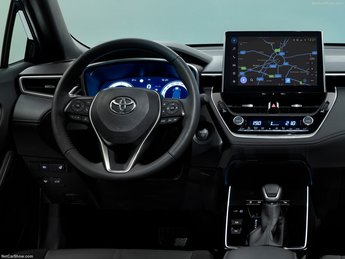
Every C-HR includes a 14-inch Toyota Multimedia display, wireless Apple CarPlay and Android Auto, two wireless smartphone chargers, a digital key, dual-zone automatic climate control and 64-colour ambient lighting.
The latest Corolla Cross comes with an 8-inch touchscreen on entry grades and a 10.5-inch display on more extensively equipped versions. Wireless Apple CarPlay and Android Auto are standard, while available features include wireless charging, a 12.3-inch digital instrument cluster, JBL audio, heated rear seats and a power moonroof.
Both SUVs include Toyota Safety Sense 3.0. Depending on grade, additional equipment can include Blind Spot Monitor, Rear Cross Traffic Alert and parking assistance.
Ultimately, the Corolla Cross is the logical choice for shoppers seeking flexible gasoline or hybrid ownership in a practical compact SUV. The 2027 C-HR is aimed at drivers ready for a fully electric vehicle with up to 496 kilometres of range, rapid performance and a technology-rich cabin. Regency Toyota can help customers compare the newest Canadian configurations as final 2027 Corolla Cross information becomes available.